A few days ago was Bastille Day, what my brain’s shorthand considers the French equivalent of our July 4th. Each year now, the date takes me back to the year I celebrated Bastille Day in Paris with a picnic and fireworks. These fireworks were memorable because I got to watch them from the lawn in front of the Eiffel Tower.
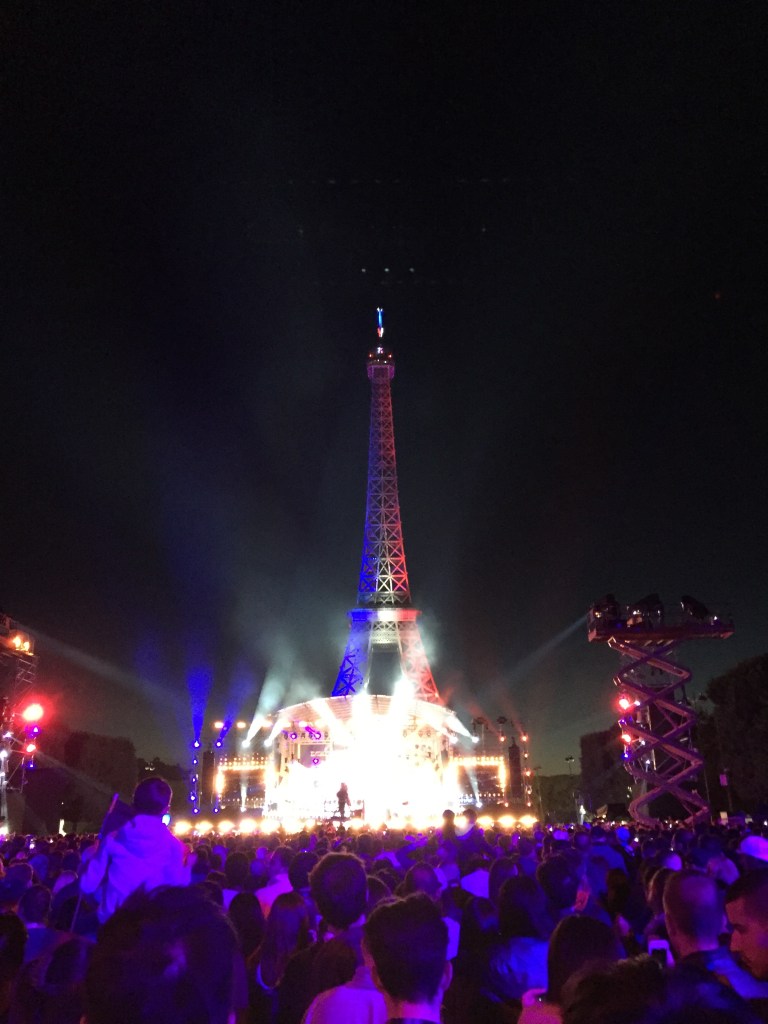
As the fireworks brightened the sky and then faded out over this iconic monument, another light display gradually took its spot next to the Eiffel Tower as well: the Big Dipper. It’s one of the easiest constellations to spot and here it was, ready to be spotted. Yet some people don’t know it as the Big Dipper. If they grew up in the UK, they may call it the Plough. Others link this set of stars to Ursa Major, the Great Bear, or maybe they prefer the name Drinking Gourd.
My role as an editor is to track which term an author uses and check for consistency. The term they choose can be significant. I worked on a history book project that highlighted how the “Drinking Gourd” pointed to the North Star and thus helped enslaved people navigate their journeys northward and out of enslavement. The National Park Service’s website was one of my go-tos for checking U.S. history facts from writers I worked with. Meanwhile, using the term Ursa Major, the Great Bear, would link the collection of stars to many different oral storytelling traditions and mythologies across the globe.
This constellation contains and inspires a breadth of stories for people to hear or read about and learn something new. Whenever I spot the Big Dipper in the sky, I remember the stories it has been linked to over the years, including my story of seeing it grace the sky next to the Eiffel Tower.
Looking for a thoughtful eye to look over the story you want to tell? Check out the editorial services on my Services page.
 Natalie Roth Editing Services